Physical Address
304 North Cardinal St.
Dorchester Center, MA 02124

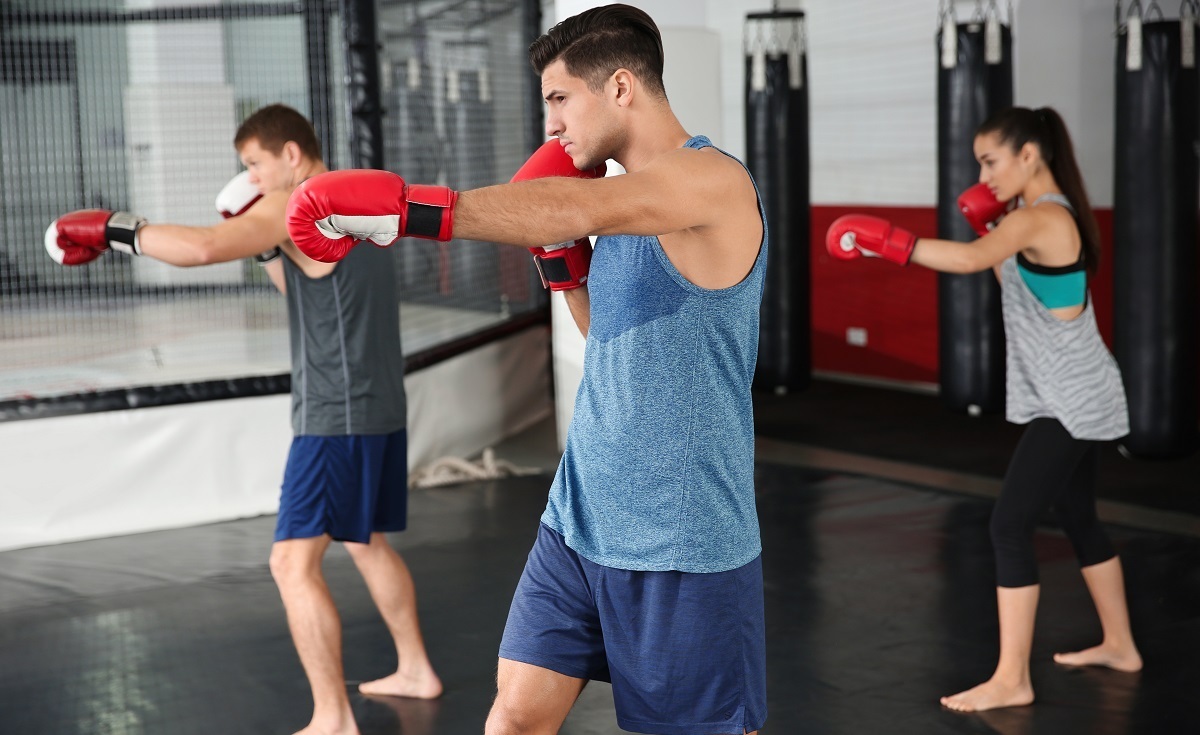
Welcome to my boxing blog! Here you’ll find all the latest news and insights on the sweet science, from the latest fights to training tips.
Whether you’re a sports fan or just looking to get in shape, I hope you’ll find something useful here. Thanks for visiting!

Boxing is a great way to get fit and have fun at the same time. It is a full-body workout that can help tone your muscles, improve your cardiovascular fitness, and provide a great calorie burn.
If you are new to boxing, it is essential to find a class that is right for you. Many boxing classes are available, from those that focus on fitness to those that focus on competitive boxing.
Most boxing classes will start with a warm-up, including light cardio and stretching. The central part of the class will then be spent practising different punches and combinations on punching bags or pads. The course will usually end with some cool-down exercises and stretches.
Few sports offer the same combination of cardio, strength training, and core work as boxing. That’s why this activity has seen such a surge in popularity in recent years.
But beyond the physical benefits, boxing also offers a mental workout. The discipline required to stay focused during a boxing match can carry over into other areas of your life. And the feeling of accomplishment after landing a complex punch can give you a much-needed boost of confidence.
Whether you want to get in shape or learn to defend yourself, boxing classes are a great way to achieve your goals.

boxing. Boxing is a sport with a long and complex history. It has been studied and written about by historians, sociologists, and other researchers for many years. The origins of boxing are not entirely clear, but there is evidence that the sport has its roots in ancient Greece. The first recorded boxing match occurred in 688 BC, during the Olympic Games. Boxing was also a popular form of entertainment in Rome. The Roman writer Virgil described boxers as tough and brave warriors.
Boxing remained a popular sport throughout the Middle Ages. In England, it was known as prizefighting. During this time, boxing matches were often held between two knights who would fight until one was knocked off his horse. In the 17th century, prize fighting became more organized and began to resemble the modern sport of boxing. The first recorded boxing match under Queen Elizabeth I took place in 1571.
Boxing began to be regulated in the 18th century. The first set of rules was published in England in 1743. These rules specified that a boxing match should be held in a ring that was 24 feet square (7 meters square). The authorities also said that the fighters should wear gloves and be weighed before the match.
The first professional boxing match occurred in England in 1801 between Jack Broughton and George Maddox. Broughton was the Champion of England at that time. He defeated Maddox in just three rounds. Professional boxing quickly became popular in England and other countries on the European continent.
The first heavyweight championship fight between two American boxers was held in 1810 between Jacob Hyer and James Fisher near New York City. America’s first professional boxer was Albert Griffiths, who fought his first match in 1816. Griffiths won many matches and became known as “The Yankee Belter” before he retired from boxing in 1825.
Boxing continued to grow in popularity throughout the 19th century. By the 1870s, there were more than 1,000 professional boxers in America alone! One of the most famous boxers of this era was John Sullivan, who became the world heavyweight champion in 1882 after defeating Paddy Ryan in Mississippi City, USA.

Boxing is a sport with a long and rich history, dating back to the ancient Greeks. It has undergone many changes over the years regarding its rules and regulations and how it is practised. Today, there are four main types of boxing: amateur boxing, professional boxing, Olympic-style boxing, and kickboxing.
Amateur boxing is the type of boxing that is practised in most gyms and fitness centres. It generally follows professional boxing rules but with some modifications to make it safer for participants. Professional boxing is more competitive, with fighters typically fighting for prizes or titles. Olympic-style boxing is practised in the Olympics and other major international competitions. It follows professional boxing rules with additional restrictions, such as mandatory headgear for all participants. Kickboxing is a hybrid sport that combines boxing and martial arts elements. It can be practised recreationally or competitively.
Anyone can learn to box, regardless of age, gender, or experience level. All you need is a willingness to learn and a bit of patience. Here are a few things to keep in mind as you get started in boxing:
-Find a good boxing gym. This is where you will learn the basics of boxing, including proper technique and footwork. Make sure the gym you choose has experienced trainers who can help you get started on the right foot.
-Start slow. Don’t try to do too much too soon. Focus on learning the basics and building a solid foundation before you start increasing the intensity of your workouts.
-Be consistent. Boxing is a physically demanding sport, so you must be consistent with your training if you want to see results. Try to work out at least 3-4 times weekly, and ensure you warm up properly before each session.
-Listen to your body. If you’re sore or tired, take a day or two off from training. It’s essential to listen to your body and give yourself time to recover between workouts.

Most boxing classes will start with a warm-up, which may include a light jog, jumping rope, or shadow boxing. The introduction will increase your heart rate and prepare your muscles for the workout.
After the warm-up, you will move on to working with a partner on punching techniques. This is usually done with both partners wearing boxing gloves and holding focus mitts. One partner will throw punches while the other catches them on the mitts. This helps improve your punching form and accuracy.
Next, you will move on to cardio exercises to improve your stamina. This may include running laps around the gym, jump roping, or using a heavy bag. These exercises will help build your endurance to last longer in the ring.
Finally, you will conclude with light stretching to cool down your muscles and prevent injuries.
A boxing class is a great workout that will leave you feeling energized and ready to take on the world.
Boxing is a great way to get fit and have fun simultaneously, but it’s essential to be properly equipped before you start. In this article, we’ll look at the different types of boxing equipment you’ll need to get started.
Boxing gloves are perhaps the most critical piece of equipment for any boxer. They not only protect your hands from injury but also help absorb the impact of your punches. Various boxing gloves are available on the market, so choosing the right ones is essential. You’ll need to decide on the size, weight, and material of your gloves, as well as the type of padding that’s right for you.
You’ll also need a good pair of boxing shoes. These shoes are designed to provide good traction and support while you’re in the ring. They should also be comfortable enough to wear for long periods.
Another essential piece of equipment is a mouthguard. This will protect your teeth and gums from getting damaged during training or fighting. Be sure to get a mouthguard that fits well and doesn’t impede your breathing.
Finally, you’ll need some hand wraps. These are used to secure your gloves and protect your wrists and knuckles while punching. Be sure to get hand wraps made from breathable material so your hands don’t get too sweaty during training sessions or fights.
Here are a few boxing training tips to help you get started:
1. Find a good boxing gym. This is probably the most crucial step. You need to find a place where you feel comfortable and where the trainers know what they’re doing.
2. Get a good pair of boxing gloves. This is an essential piece of equipment; you shouldn’t skimp on quality.
3. Start slow and focus on technique. When starting, it’s essential to take your time and focus on getting your designs down before you start trying to go fast and hard.
4. Get a training partner. It’s always helpful to have someone to train with, especially when you’re starting. They can help motivate you and push you to become better.
5. Set some goals. Having something to strive for in your training is essential, so you don’t get discouraged along the way. Set small purposes, such as improving your technique or increasing your endurance, and then gradually start adding more complex goals as you progress.